In the current business landscape, the adoption of Artificial Intelligence (AI) is no longer optional; it is a prerequisite for competitive survival. Yet, the path to successful AI integration is fraught with complexity, from navigating data governance and talent gaps to ensuring models scale and deliver measurable return on investment (ROI). This complexity has elevated the role of specialized expertise, making **AI Consulting Services** an indispensable partner in the journey of business transformation.
AI consultants are not merely technical experts; they are strategic architects who bridge the chasm between technical possibility and business reality. They translate the abstract potential of AI into concrete, high-value use cases that align with core organizational goals. For organizations struggling to move beyond pilot projects, or those seeking to accelerate their time-to-value, leveraging expert **AI Consulting Services** is often the most direct route to unlocking the multi-trillion-dollar economic potential of AI [1].
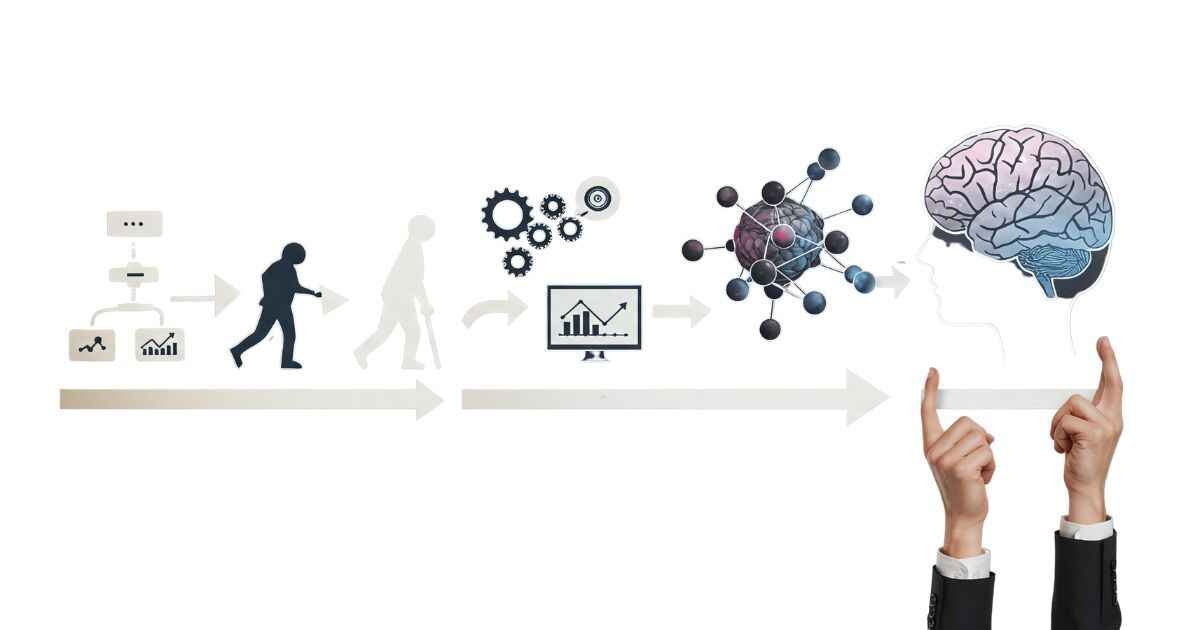
This comprehensive guide explores the essential functions of AI consultants, detailing the three phases of transformation they manage and demonstrating how their expertise mitigates risk, accelerates adoption, and ensures AI becomes a reliable engine of sustained business growth.
Table of Contents
The Strategic Imperative: Why AI Consulting Services Are Essential
The need for external expertise is rooted in the high stakes and high failure rate of enterprise AI. Reports consistently show that a vast majority of AI initiatives fail to scale, often due to strategic and organizational missteps rather than technical flaws [2].
Bridging the Gap Between Vision and Value

Many internal teams possess deep domain knowledge or strong data science skills, but rarely both. **AI Consulting Services** provide the critical link: they possess the industry-specific knowledge to identify the most valuable use cases and the technical expertise to implement them correctly. They help organizations move past the common mistake of treating AI as a technology project and instead frame it as a strategic business transformation.
A consultant’s value lies in their ability to quickly assess an organization’s AI maturity—its readiness in terms of data, technology, talent, and culture—and to provide an objective, external perspective on risk and opportunity. This strategic guidance is the foundation of effective AI Strategy Consulting.
Phase 1: Strategy and Advisory (The Blueprint)
The initial phase of engagement for **AI Consulting Services** focuses on establishing a clear, value-driven blueprint for the entire AI journey.
AI Maturity Assessment and Use Case Prioritization
The first step is a comprehensive audit to understand where the organization stands. Consultants evaluate the existing data infrastructure, talent pool, and current processes. Based on this assessment, they work with the C-suite to identify and prioritize AI use cases based on a balanced matrix of business value, technical feasibility, and data readiness. This ensures that the first projects are high-impact and low-risk, building momentum and proving the concept early on [3].
Roadmap Development and Value Realization Planning
Consultants translate the prioritized use cases into a phased, multi-year roadmap. Crucially, they embed a value realization framework from the outset. This framework defines the key performance indicators (KPIs) that will be used to measure success, moving beyond simple technical metrics to track true business impact (e.g., revenue increase, risk reduction, customer satisfaction). This early focus on measurable outcomes ensures maximum AI value realization.
Phase 2: Implementation and Engineering (The Build)

Once the strategy is set, **AI Consulting Services** move into the execution phase, focusing on building a scalable, production-ready AI infrastructure.
Data Strategy and Governance
The most common roadblock to AI adoption is poor data quality. Consultants help an organization establish a robust data strategy, which includes resolving data silos, creating clean data pipelines, and implementing data governance policies. They advise on the right tools for data preparation and management, such as cloud-native data platforms or specialized tools like Databricks, which unify data, analytics, and AI. This foundational work is non-negotiable for scaling AI.
MLOps and Scalable Architecture
A successful pilot often fails in production because it lacks a scalable, automated deployment system. Consultants are instrumental in implementing MLOps (Machine Learning Operations), which treats AI models as living software products. This involves setting up continuous integration, delivery, and monitoring pipelines. MLOps ensures that models are automatically updated, monitored for performance degradation (model drift), and integrated seamlessly into existing enterprise applications.
For organizations looking to accelerate their model development and deployment, consultants often recommend and integrate platforms like Amazon SageMaker, which provides a comprehensive suite of tools for the entire machine learning lifecycle, ensuring a smooth transition from development to production.
Risk Mitigation and Compliance
In an increasingly regulated environment, **AI Consulting Services** are essential for mitigating legal and ethical risks. They help establish an AI governance framework that addresses model bias, fairness, transparency, and data privacy. This proactive approach prevents costly regulatory fines and protects the organization’s reputation, a critical component of long-term strategic success.
Phase 3: Change Management and Sustained Value (The People)

The final, and most human-centric, phase involves ensuring the AI solutions are adopted by end-users and that the organization is structurally prepared for a future driven by AI.
Talent Strategy and Upskilling
The AI talent market is fierce. Consultants help organizations develop a sustainable talent strategy, which includes identifying critical skill gaps, advising on hiring strategies, and, most importantly, designing upskilling programs for the existing workforce. They help move the organization toward a model where human employees are augmented by AI, not replaced by it. This is key to building a truly AI-enabled organization.
Ensuring End-User Adoption and Cultural Change
A model that is technically perfect but unused by the end-user is a failed investment. Consultants manage the organizational change process, ensuring that employees understand how the AI tool will make their jobs easier and more strategic. They implement targeted training and communication plans to overcome resistance and drive high adoption rates, a proven component of successful AI adoption strategies.
Table 1: The Three Phases of AI Transformation Managed by AI Consulting Services
| Phase | Core Focus | Key Deliverable | Consultant’s Value |
|---|---|---|---|
| 1. Strategy | Alignment with Business Goals | Prioritized Use Case Roadmap & Value Framework | Objective, External Perspective & Risk Assessment |
| 2. Implementation | Technical Build & Scalability | MLOps Pipeline & Production-Ready Architecture | Technical Expertise & Accelerated Time-to-Market |
| 3. Sustained Value | People, Culture, & Optimization | High User Adoption & Continuous Performance Monitoring | Change Management & Talent Strategy |
The ROI of AI Consulting Services
The cost of expert **AI Consulting Services** is often dwarfed by the cost of internal failure. By providing a structured roadmap, mitigating technical and ethical risks, and accelerating the time-to-value, consultants deliver a clear return on investment. They prevent the organization from wasting millions on projects that are doomed to fail due to poor data, lack of governance, or an inability to scale.
Ultimately, the role of the AI consultant is to act as a catalyst for business transformation, ensuring that the organization not only adopts AI but masters it, transforming the technology from a cost center into a reliable, high-performing engine of innovation and competitive advantage.
Conclusion
The successful integration of AI into the enterprise is a complex, multi-faceted challenge that demands a blend of strategic vision, technical excellence, and organizational change management. Expert **AI Consulting Services** provide the necessary guidance to navigate this complexity, ensuring that the AI journey is executed with discipline and aligned with the highest strategic goals. By partnering with external expertise, organizations can confidently move from the initial promise of AI to the reality of sustained, transformative business value.
References
- McKinsey & Company. (2023, June 14). Economic potential of generative AI.
- McKinsey & Company. (2025, March 5). The state of AI: How organizations are rewiring to capture value.
- USAII. (2024, June 22). The Role of AI Consultants in AI Transformation Projects.
- Centric Consulting. (Unknown). Artificial Intelligence Consulting.
Internal Link 1Internal Link 2Internal Link 3Internal Link 4