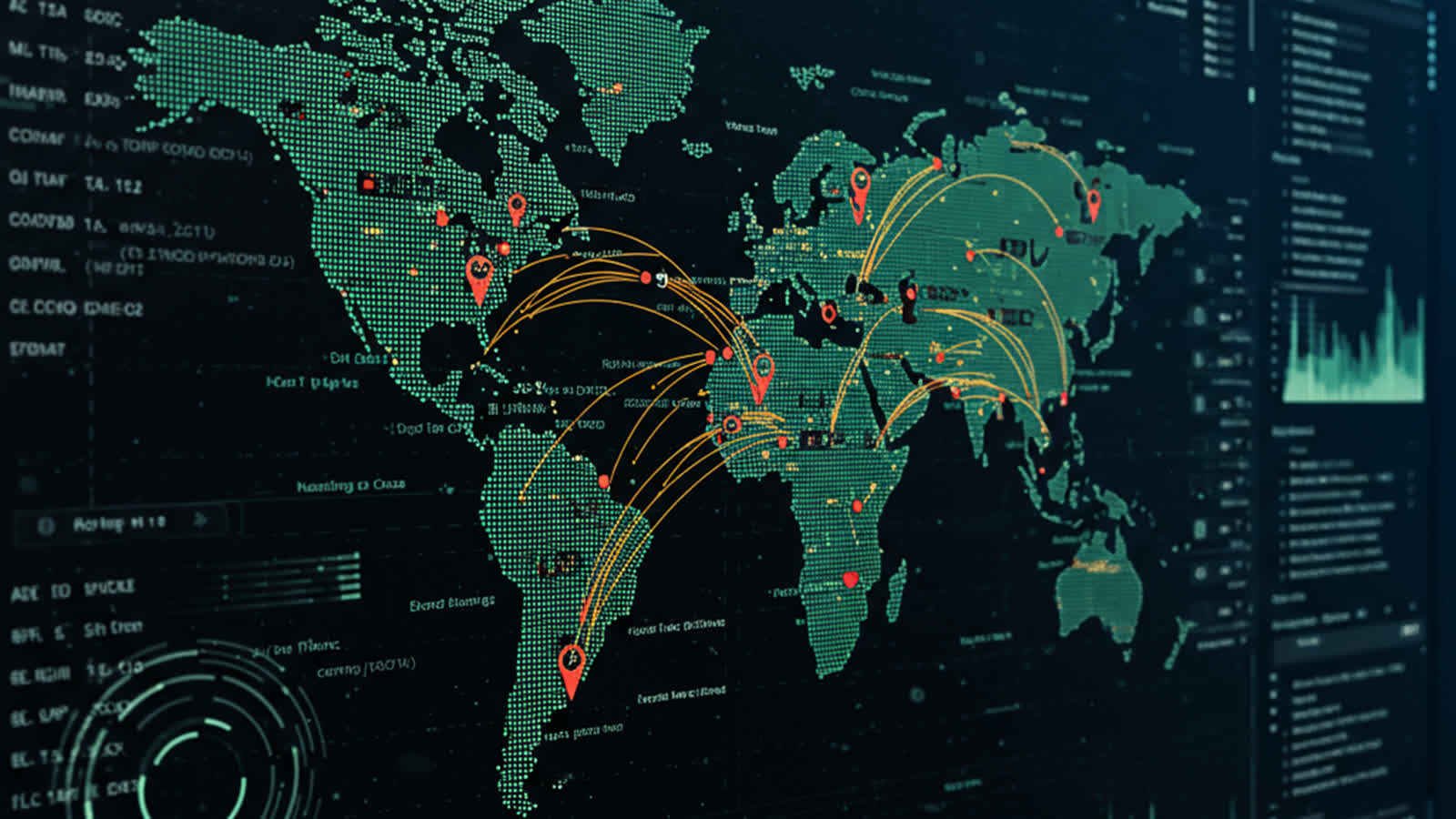
Is AI truly the future of cybersecurity—or just another hyped-up trend? As digital threats evolve at lightning speed, companies are turning to artificial intelligence to protect what matters most. But is AI living up to the promise, or falling short? In this deep dive, we explore how AI is reshaping modern security systems, where it shines, where it stumbles, and what it really means for your digital future.
Understanding the Basics: What Is AI in Cybersecurity?
Defining AI and Machine Learning in Security Contexts
Artificial Intelligence (AI) in cybersecurity refers to the use of machine learning models and algorithms to detect, prevent, and respond to digital threats. These systems learn from data — past attacks, traffic patterns, and user behavior — to identify anomalies that humans might overlook. Unlike traditional software that follows strict rule sets, AI systems adapt and evolve over time.
Key Roles AI Plays in Modern Cyber Defense
AI helps security systems to:
- Identify suspicious activity in real-time
- Predict potential attack vectors before they occur
- Automate the response to certain types of breaches
- Reduce the noise of false alerts
AI essentially augments human analysts, letting them focus on the most critical threats instead of chasing false leads.
The Current Landscape of Cyber Threats
Why Traditional Defenses Are No Longer Enough
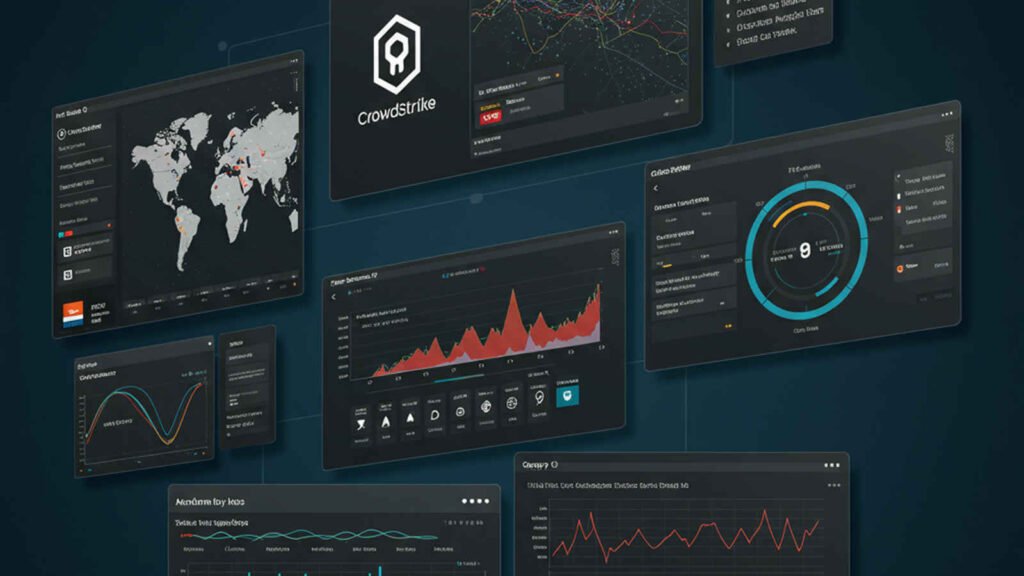
Firewalls, antivirus software, and manual monitoring have served us well in the past, but today’s threats are faster and more complex. Cybercriminals now use automation and even AI-driven tools to exploit weaknesses. Traditional systems can’t keep up with the speed or scale of modern attacks.
Types of Threats AI Is Designed to Detect and Stop
AI excels at identifying:
- Zero-day vulnerabilities
- Advanced persistent threats (APTs)
- Phishing campaigns and social engineering attempts
- Insider threats
These are often subtle, evolving, and data-heavy — exactly the types of challenges AI was built to tackle.
How AI Helps Detect Insider Threats
Insider threats are among the most difficult cyber risks to identify. Whether it’s a disgruntled employee, negligent staff, or a compromised insider, traditional security systems often miss the signs. That’s where AI’s behavioral analytics shine.
By continuously learning what’s “normal” for each user — login times, app usage, data access patterns — AI can flag suspicious deviations. For example:
- An HR employee suddenly accessing engineering repositories
- Unusual file transfers late at night
- Multiple failed login attempts from internal IPs
Solutions like Varonis DatAdvantage and Forcepoint Insider Threat use AI to assign risk scores to users and escalate anomalies to security teams.
“AI allows us to act not just on what someone did — but on whether it’s something they normally would do.” — Lead Security Analyst, Healthcare Organization
As insider attacks continue to rise, AI-driven detection provides a proactive defense that complements traditional perimeter controls.
Real-World Applications of AI in Cybersecurity
Behavioral Analytics and Anomaly Detection
One of the most practical uses of AI is in behavioral analytics. These systems create a baseline of normal activity and flag deviations. For example, if an employee suddenly logs in from a new country at 3 AM and downloads gigabytes of data, the system can trigger an alert or even block the action entirely.
AI-Powered Threat Intelligence Platforms
Many platforms now integrate AI to scan the dark web, analyze malware, and detect emerging threat patterns. Tools like IBM X-Force Threat Intelligence and Trellix Helix provide real-time threat updates, allowing organizations to stay one step ahead.
Automated Incident Response Systems
Time is everything during a breach. AI can automatically isolate affected systems, shut down compromised access points, and start forensic logging — all within seconds. This dramatically reduces damage and response time compared to human intervention alone.
Case Studies: How Companies Are Using AI for Security
Major organizations are already seeing results. Microsoft uses AI in its Defender platform to analyze 8 trillion signals daily. According to a report by the company, this helps reduce response time from hours to minutes. Similarly, Darktrace, an AI cybersecurity firm, protects clients like Coca-Cola and McLaren by using machine learning to model enterprise behavior and react instantly to threats.
The Role of AI in SOC Operations (Security Operations Center)
Security Operations Centers (SOCs) are the nerve centers of cybersecurity for large organizations. They’re tasked with monitoring, detecting, and responding to threats 24/7 — and AI is becoming a crucial part of their daily operations.
AI enables SOCs to handle:
- Massive volumes of log and traffic data
- Real-time threat correlation across systems
- Automated prioritization of alerts based on severity
Platforms like IBM QRadar and Splunk Security integrate AI to reduce alert fatigue and speed up investigations. Instead of manually sifting through thousands of alerts, analysts are now presented with context-rich summaries of the most likely threats — drastically reducing mean time to detect (MTTD) and mean time to respond (MTTR).
“AI in the SOC isn’t replacing analysts — it’s making them superhuman.” — CISO, Fortune 500 Financial Firm
By streamlining tier-1 triage work, AI gives cybersecurity teams the breathing room to focus on strategic threat hunting and proactive defense planning.
Benefits of Integrating AI into Cybersecurity Systems
Faster Threat Detection and Response Times
One of the most celebrated advantages of AI is its speed. Unlike human analysts, AI doesn’t need breaks or sleep. It can scan billions of data points in real time to identify risks and respond immediately. According to a study by Capgemini, 69% of organizations believe AI significantly improves response times to cyber incidents.
Predictive Capabilities for Future Attacks
AI systems can analyze historical attack patterns to predict what might happen next. This predictive edge helps organizations shore up their defenses before a breach occurs. Think of it as weather forecasting for cyber threats — except it’s based on massive data models instead of radar.
Reduced Human Error and Operational Costs
Let’s face it — human mistakes are often the weakest link in cybersecurity. Whether it’s clicking on phishing links or misconfiguring firewalls, our slip-ups create openings for attackers. AI reduces this by automating key processes and minimizing the reliance on human decision-making. Over time, it also reduces costs by streamlining operations and requiring fewer manual interventions.
Controversies and Limitations of AI in Cyber Defense
False Positives and Overreliance Risks
AI isn’t flawless. In fact, poorly trained models can lead to an overwhelming number of false positives — flagging harmless activity as malicious. This can drain resources and create a “cry wolf” effect, where real threats are overlooked. Overreliance on automation without human oversight is risky.
Privacy Concerns and Data Usage Ethics
AI needs data — lots of it. That raises red flags around privacy and data ethics. For AI to work effectively in cybersecurity, it often monitors user behavior, device activity, and even keystrokes. Without proper governance, this could lead to surveillance overreach or misuse of sensitive information.
Can Hackers Outsmart AI Algorithms?
Absolutely. Just as defenders use AI, so do attackers. Adversarial AI techniques can “confuse” models into misclassifying malware or allowing unauthorized access. AI is a double-edged sword — it amplifies both attack and defense capabilities.
“AI in cybersecurity is not a magic wand — it’s a high-speed chess match.” — Forrester Research
Limitations of AI Without Human Oversight
While AI has proven its value, it’s not a silver bullet. Left unchecked, it can spiral into misjudgments — misclassifying threats, escalating false positives, or completely missing nuanced attacks. That’s why human oversight is not optional — it’s essential.
AI lacks:
- Contextual understanding of business-specific risks
- The ability to apply ethical or legal judgment
- Critical thinking when faced with unknown or abstract scenarios
For example, a phishing email written with perfect grammar and tone — something AI models may classify as safe — could fool even advanced detection engines. In contrast, an experienced analyst might spot it as suspicious based on subtle clues or recent threat intelligence.
Organizations following a “human-in-the-loop” strategy see better outcomes. This approach ensures AI outputs are reviewed by skilled analysts who understand both technology and business processes.
“Trusting AI blindly is like driving a self-driving car with your eyes closed. Human validation is still the seatbelt.” — Senior Threat Intelligence Engineer, SaaS Firm
In short, AI is best used as a force multiplier, not an autonomous decision-maker. Its greatest power lies in collaboration with human expertise.
Is AI Just a Buzzword in Cybersecurity?
Marketing Hype vs. Real Functionality
The term “AI” is often overused in marketing. Many tools claiming to use AI are really just simple automation scripts or rule-based systems. Real AI involves learning, adapting, and making decisions based on complex input. Companies should scrutinize vendor claims and demand transparency.
How to Spot Genuine AI-Powered Tools
Ask these questions when evaluating:
- Does the system adapt based on new data?
- Is it capable of detecting unknown threats?
- Are its decision-making processes explainable?
A transparent provider will show exactly how their AI works and how it integrates with existing infrastructure.
Top AI-Powered Cybersecurity Tools in 2025
With dozens of vendors claiming to offer AI-driven protection, it’s hard to know which tools truly deliver. Here’s a curated list of leading solutions in 2025 — based on user reviews, independent evaluations, and enterprise adoption.
| Tool | Key AI Capabilities | Official Site |
|---|---|---|
| Microsoft Defender for Endpoint | Real-time threat detection, behavioral analytics, automated response | Visit Site |
| Darktrace | Self-learning AI, anomaly detection, autonomous threat response | Visit Site |
| CrowdStrike Falcon | Cloud-native AI for endpoint protection, threat hunting, and intelligence | Visit Site |
| Vectra AI | AI-powered network detection and response (NDR) | Visit Site |
| SentinelOne | Autonomous endpoint protection with AI-based threat resolution | Visit Site |
These tools represent the cutting edge of AI in cybersecurity. They’re trusted by global enterprises and known for real-world effectiveness — not just buzzword branding.
Emerging Trends and Innovations to Watch

Explainable AI (XAI) for Transparency in Security Systems
One of the biggest criticisms of AI is its “black box” nature — decisions are made, but it’s not always clear why. Enter Explainable AI (XAI), which provides insights into how and why certain actions are taken. In cybersecurity, this transparency is crucial for compliance, auditing, and trust-building.
AI and Quantum Computing Synergy in Cyber Defense
While still early, the convergence of AI and quantum computing could reshape cybersecurity. Quantum-powered AI may soon analyze threats in dimensions and speeds currently unimaginable. Companies like IBM and Google are actively exploring this fusion, though it’s not yet mainstream.
Decentralized AI for Global Threat Monitoring
Decentralized AI models (often powered by blockchain) allow global threat detection without relying on a single centralized system. This is especially useful for multinational corporations that need to monitor systems across various jurisdictions and data privacy laws.
Regulatory Impacts and Legal Challenges of AI in Security
Navigating Data Privacy Laws with AI
As AI grows more embedded in cybersecurity, it must operate within strict legal boundaries — especially when handling personal or sensitive data. Laws like the EU’s General Data Protection Regulation (GDPR) and California Consumer Privacy Act (CCPA) directly impact how AI-based systems can collect, analyze, and store user data.
Organizations using AI must ensure:
- They are transparent about how data is used and stored
- Data processing is limited to what is necessary
- Users have rights to access, correct, or delete their data
Failure to comply not only results in fines but also damages brand trust.
AI Accountability: Who’s Liable When It Fails?
If an AI system makes a misjudgment — for instance, failing to flag a cyberattack that leads to massive losses — who is responsible? The developer? The organization using it? This gray area is becoming a legal minefield.
Legal experts suggest organizations must:
- Vet vendors for responsible AI practices
- Conduct regular algorithm audits and bias checks
- Maintain human review protocols for high-risk decisions
Upcoming AI-Specific Security Regulations
Governments are taking action. The EU’s proposed AI Act will enforce strict compliance for “high-risk” AI systems, including those used in cybersecurity. Meanwhile, the U.S. is pushing for voluntary but robust AI safety standards through executive orders and NIST frameworks.
Staying ahead of these legal shifts is no longer optional — it’s a competitive necessity.
“AI in cybersecurity must balance innovation with accountability. Compliance is no longer a box to check — it’s a strategy.” — Director of Risk & Compliance, Global Tech Firm
The Future Outlook: AI as a Mainstay or Fading Trend?
Expert Predictions and Industry Reports
Gartner predicts that by 2030, over 75% of security products will include AI and machine learning features. A similar report from McKinsey suggests AI could prevent over $1 trillion in potential cybercrime losses over the next decade. The numbers don’t lie — AI is more than just a passing phase.
What Businesses Should Do to Prepare
Organizations should:
- Invest in AI-native cybersecurity tools with proven results
- Train their teams to work alongside intelligent systems
- Implement data governance policies to support ethical AI use
Adapting early gives companies a competitive edge and strengthens their security posture in an increasingly complex digital world.
Want to dive deeper into enterprise-ready AI tools? Explore Microsoft Sentinel, a scalable cloud-native SIEM powered by AI.
Interview Insight: What Cybersecurity Experts Say About AI
To understand where AI in cybersecurity is truly heading, we asked a few professionals in the trenches. Here’s what they had to say:
“AI isn’t a crystal ball, but it gives us an edge we’ve never had before — especially in detecting anomalies early.” — Maya Chen, Head of Threat Intelligence, FinTech Startup
“The biggest mistake companies make is thinking AI replaces human analysts. It doesn’t — it sharpens them.” — Rishi Patel, Cybersecurity Consultant, Fortune 100 Clients
“We’ve stopped breaches in under 5 minutes thanks to autonomous AI response. That used to take us hours.” — Alex Romero, SOC Manager, Mid-Sized Healthcare Provider
Their collective view is clear: AI has become a powerful ally, not just in identifying threats, but in giving human teams the time and focus to do what machines can’t — apply intuition, business context, and ethical judgment.
These insights echo what the data already shows: AI is transforming cybersecurity, and professionals across industries are embracing it — cautiously, but confidently.
Conclusion
AI in cybersecurity is no longer theoretical—it’s here, evolving, and making a measurable impact. From threat detection to response automation, AI is transforming how we defend against increasingly complex attacks. Still, it’s not a replacement for human expertise, but a powerful partner. If you’re building a future-ready security strategy, AI isn’t optional—it’s essential. Want more expert insights? Explore our related guides and stay one step ahead of tomorrow’s threats.