
Cybercrime isn’t new—but the rise of artificial intelligence has changed the game. From deepfake scams to automated phishing, AI cyber attacks are evolving faster than many businesses can defend against. Are hackers really becoming more dangerous with AI on their side? Let’s explore how this new digital battlefield is reshaping the future of cybersecurity—and what it means for you.
Understanding the Rise of AI in Cybersecurity
Artificial Intelligence (AI) has transformed the way organizations defend against digital threats. Machine learning systems can analyze massive datasets in seconds, spotting suspicious activity that human analysts might overlook. This speed and accuracy make AI a vital defense tool in the digital age. However, the same strengths that make AI powerful for defense are also being exploited by malicious actors, raising concerns about a new era of cyber warfare.
The Evolution of Cyber Attacks: From Manual to AI-Driven
In the early 2000s, most cyber attacks were manual and relied heavily on human intervention. Hackers would write malware line by line, and phishing scams were often riddled with spelling errors. Today, AI has automated these processes. Attacks are faster, more scalable, and alarmingly convincing. For example, AI-powered phishing tools can generate grammatically perfect emails in any language, tricking even the most cautious users.
Why AI Is a Double-Edged Sword in Cybersecurity
AI is both a shield and a sword. Organizations deploy it for Microsoft Defender, which uses machine learning to detect threats in real time. On the flip side, hackers use AI to automate reconnaissance, bypass traditional firewalls, and even launch autonomous malware. This duality makes AI an unpredictable force in cybersecurity.
AI as a Defense Mechanism
Cybersecurity companies like IBM Security leverage AI to monitor networks, detect anomalies, and respond to attacks instantly. With predictive analytics, these tools can even anticipate potential breaches before they occur. For businesses, AI-driven defense systems significantly reduce the time between detection and response, a factor critical for survival during a cyber crisis.
AI as a Weapon for Hackers
Hackers, however, are always a step ahead. AI allows them to create malware that mutates in real time, making it nearly impossible for signature-based antivirus software to keep up. In addition, AI enables large-scale automated attacks, capable of overwhelming even the most sophisticated infrastructures. For example, botnets controlled by AI can learn from failed attempts and adapt strategies on the fly.
Common AI Cyber Attack Methods You Need to Know
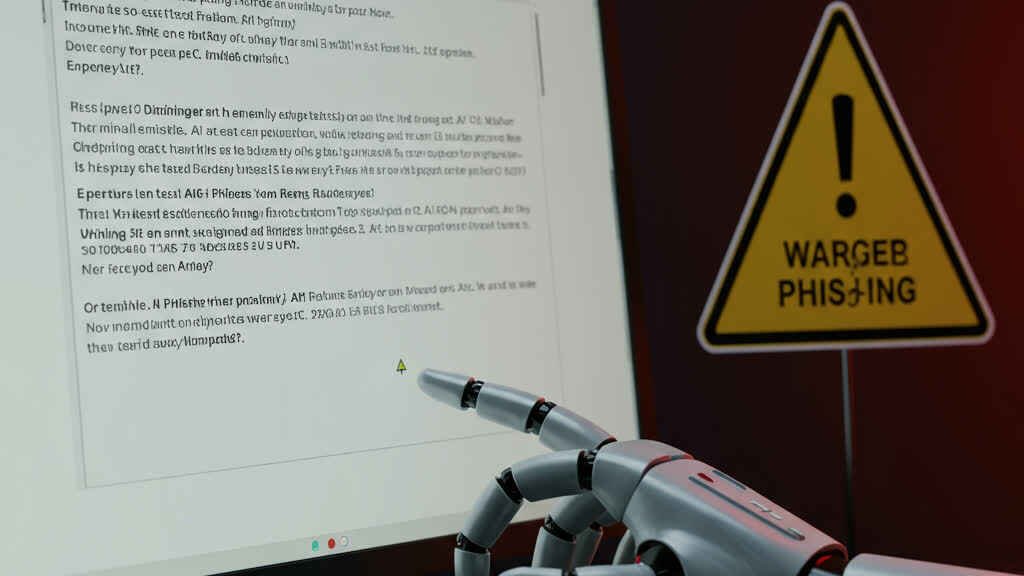
AI cyber attacks are not theoretical—they are happening right now. Understanding their forms is the first step to defense.
Deepfake and Social Engineering Attacks

AI-driven deepfake technology allows hackers to create convincing audio and video impersonations of real people. Imagine receiving a video call from your CEO instructing you to transfer funds. This isn’t science fiction—it has already happened in real-world cases. Social engineering attacks powered by AI exploit trust at a human level, making them devastatingly effective.
Automated Phishing Campaigns
Traditional phishing emails were often easy to spot. With AI, phishing has evolved. Tools like generative AI can create personalized, flawless messages tailored to specific individuals by scraping their public data from platforms like LinkedIn. This hyper-personalization makes it almost impossible for employees to distinguish legitimate communication from malicious attempts.
AI-Powered Malware and Ransomware
Ransomware has been one of the most disruptive cyber threats in recent years. When combined with AI, it becomes exponentially more dangerous. AI can help ransomware identify the most valuable files on a system and encrypt them selectively, increasing the pressure on victims to pay. Platforms such as Cloudflare are integrating AI-powered threat detection to fight back against these evolving risks.
Case Studies: Real-World AI Cyber Attacks
One of the most alarming cases occurred in 2019 when fraudsters used AI-generated voice deepfakes to impersonate the CEO of a UK energy company. The attackers tricked an executive into transferring €220,000 to their account. This incident marked one of the first high-profile examples of AI-driven fraud, showing just how dangerous the technology can be when misused.
In another case, cybercriminals leveraged AI to automate credential stuffing attacks—attempts to break into accounts using stolen usernames and passwords. With AI, attackers could attempt millions of logins per second, overwhelming even advanced systems. Such examples prove that AI has already crossed the threshold from experimental to operational in the world of cybercrime.
The Hidden Risks of Relying Too Much on AI Defense
AI defense systems are powerful, but they are not flawless. Overreliance can create a false sense of security. AI models are only as strong as the data they are trained on. Hackers have started exploiting this by feeding “poisoned data” into systems, tricking them into ignoring genuine threats. This phenomenon, known as data poisoning, highlights the need for constant human oversight alongside automated defenses.
Moreover, AI systems themselves can become targets. If attackers infiltrate an organization’s AI infrastructure, they could manipulate its responses, turning a defensive tool into a weapon against its own users.
How Businesses Can Safeguard Against AI Cyber Threats
While AI-driven threats are intimidating, businesses are not powerless. Proactive strategies can significantly reduce risk.
Investing in Human-AI Collaboration
The best cybersecurity strategy blends human expertise with AI efficiency. Tools like Splunk Security and Palo Alto Networks combine machine learning with human-led threat analysis, ensuring a more balanced defense. By enabling security teams to work alongside AI, businesses gain both speed and critical thinking—a combination hackers cannot easily defeat.
Building a Stronger Cybersecurity Culture
Technology alone cannot solve the problem. Employees remain the first line of defense. Regular training sessions, simulated phishing campaigns, and clear communication protocols help reduce human error. Companies should also consider adopting zero-trust architectures, which verify every access attempt instead of assuming safety based on location or credentials. Platforms like Okta support this model, making unauthorized access significantly harder.
Future Outlook: Will AI Hackers Always Stay Ahead?
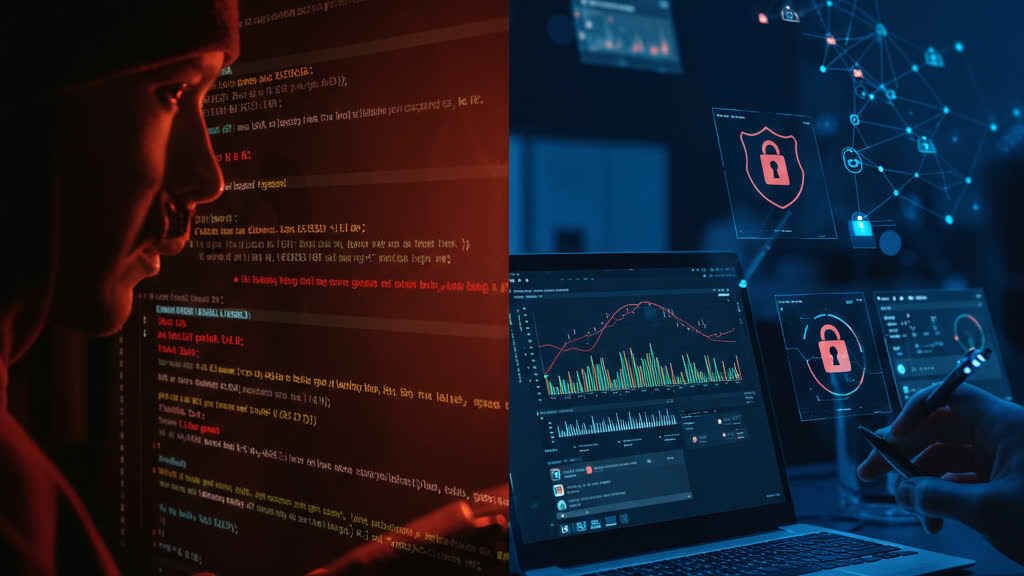
Looking ahead, the arms race between AI defenders and AI attackers will only intensify. As generative AI grows more advanced, we can expect attacks that are harder to detect and defenses that must evolve just as quickly. The key question remains: will AI hackers always stay ahead?
Experts believe the answer lies in collaboration. Governments, corporations, and cybersecurity firms must share intelligence and work together to stay ahead of malicious actors. Initiatives like CISA (Cybersecurity and Infrastructure Security Agency) aim to build collective resilience, emphasizing the importance of cooperation in this digital battlefield.
AI may have given hackers new weapons, but it has also armed defenders with tools of unprecedented power. The balance will depend on how responsibly we innovate and how seriously businesses take their role in strengthening cyber defenses.
Conclusion
AI has undoubtedly made cyber attacks more dangerous than ever, but it has also empowered defenders with stronger tools. The key lies in balance: blending AI’s speed with human judgment, and adopting proactive security measures across every level of business. As the battle intensifies, those who prepare today will be the ones standing tomorrow. Stay alert, strengthen your defenses, and never underestimate the power of AI in cybersecurity.
Frequently Asked Questions About AI Cyber Attacks
What is an AI cyber attack?
An AI cyber attack is a digital threat where hackers use artificial intelligence and machine learning to automate, enhance, or disguise malicious activities such as phishing, malware, or deepfake scams.
Why are AI cyber attacks more dangerous?
AI cyber attacks are more dangerous because they are faster, scalable, and adaptive. They can learn from failed attempts, generate realistic phishing emails, and even bypass traditional defenses with ease.
Can AI defend against AI cyber attacks?
Yes. Security tools like Microsoft Defender and IBM Security use AI to detect anomalies, stop attacks in real time, and reduce human error.
How can businesses protect themselves from AI cyber attacks?
Businesses can protect themselves by combining AI-powered security tools with human oversight, adopting a zero-trust model, and training employees to spot phishing and deepfake attempts.